Updated July 1, 2025
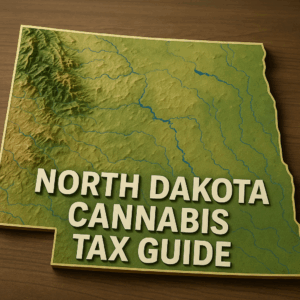
Key Points (July 2025)
-
Medical‑only market. North Dakota allows only medical cannabis; adult‑use sales remain illegal.
-
Sales tax applies. All medical cannabis sales are subject to the 5 % state sales tax plus any local sales tax (the average combined rate is about 7 %); there is no separate excise tax on medical cannabis.
-
Hemp/CBD treated like other retail goods. Hemp‑derived products (CBD, Δ8, etc.) that meet the 2018 Farm Bill’s ≤ 0.3 % Δ9‑THC limit are taxed at the normal sales‑and‑use rate (5 % plus local).
-
Federal § 280E applies. Because cannabis is a Schedule I substance, businesses can deduct cost of goods sold but not rent, payroll, marketing, or other ordinary expenses.
-
Corporate income tax. North Dakota’s rate is:
-
1.41 % on the first $25,000 of taxable income
-
3.55 % on income from $25,001 to $50,000
-
4.31 % on income above $50,000
-
If you elect a water’s‑edge filing, there’s an extra 3.5 % surtax on your ND taxable income.
-
-
Pass‑through owner tax. Income flowing through an LLC, S‑corp, or partnership is taxed on owners’ individual returns at 0 %, 1.95 %, or 2.50 %, depending on total income.
1. Medical Cannabis Program
The Medical Marijuana Program is run by the North Dakota Department of Health & Human Services. Only registered patients and their designated caregivers may buy from licensed dispensaries.
2. Sales & Use Tax
-
State rate: 5 % of gross receipts
-
Local rates: Vary by city and county; on average the combined state + local rate is about 7 %. Local tax rate lookup tool.
-
Filing frequency: Determined by your ND TAP permit — most dispensaries file monthly by the last day of the following month, even if there were no sales.
-
No excise tax: There is no additional state or local excise or “privilege” tax on medical cannabis.
3. Hemp‑Derived Products
Hemp products compliant with the 2018 Farm Bill (≤ 0.3 % Δ9‑THC) are legal and taxed under the general sales‑and‑use provisions — no special hemp excise.
4. Federal Tax Conformity (IRC § 280E)
North Dakota starts both individual and corporate returns with federal taxable income. Under § 280E, businesses dealing in cannabis may only deduct the cost of goods sold; all other business expenses are disallowed.
5. Corporate & Owner Tax Rates
Corporate Income Tax
-
1.41 % on the first $25,000
-
3.55 % on $25,001–$50,000
-
4.31 % on all income over $50,000
-
+3.5 % surtax if you choose a water’s‑edge election
Pass‑Through Entities
Owners report business income on their individual returns and pay at their personal rates (0 %, 1.95 %, or 2.50 %).
6. Filing & Reporting
-
Sales tax returns: Frequency by permit (most dispensaries file monthly), due the last day of the month following the reporting period.
-
Corporate income tax (Form 40): Due April 15 (the 15th day of the fourth month after your fiscal year‑end).
-
Electronic filing: Register and file via the ND Taxpayer Access Point (ND TAP).
7. Key Trade Organizations
8. Government Contacts
Disclaimer: This guide is for informational purposes only. Always consult a qualified CPA, attorney, or compliance specialist before making business, taxation, or compliance decisions. Rules may change — check the IRS and North Dakota state agencies for the latest updates.