Executive Summary
Oklahoma State Question 837 (SQ 837) proposes a constitutional amendment to legalize adult-use cannabis in Oklahoma. Building on the state’s existing medical program, SQ 837 would permit adults aged 21 and older to purchase, possess, and cultivate limited quantities of marijuana under a regulated framework.
This whitepaper examines the ballot language, outlines the initiative’s key provisions, analyzes economic, social, and regulatory impacts, and recommends strategies for successful implementation and outreach.
Primary findings include:
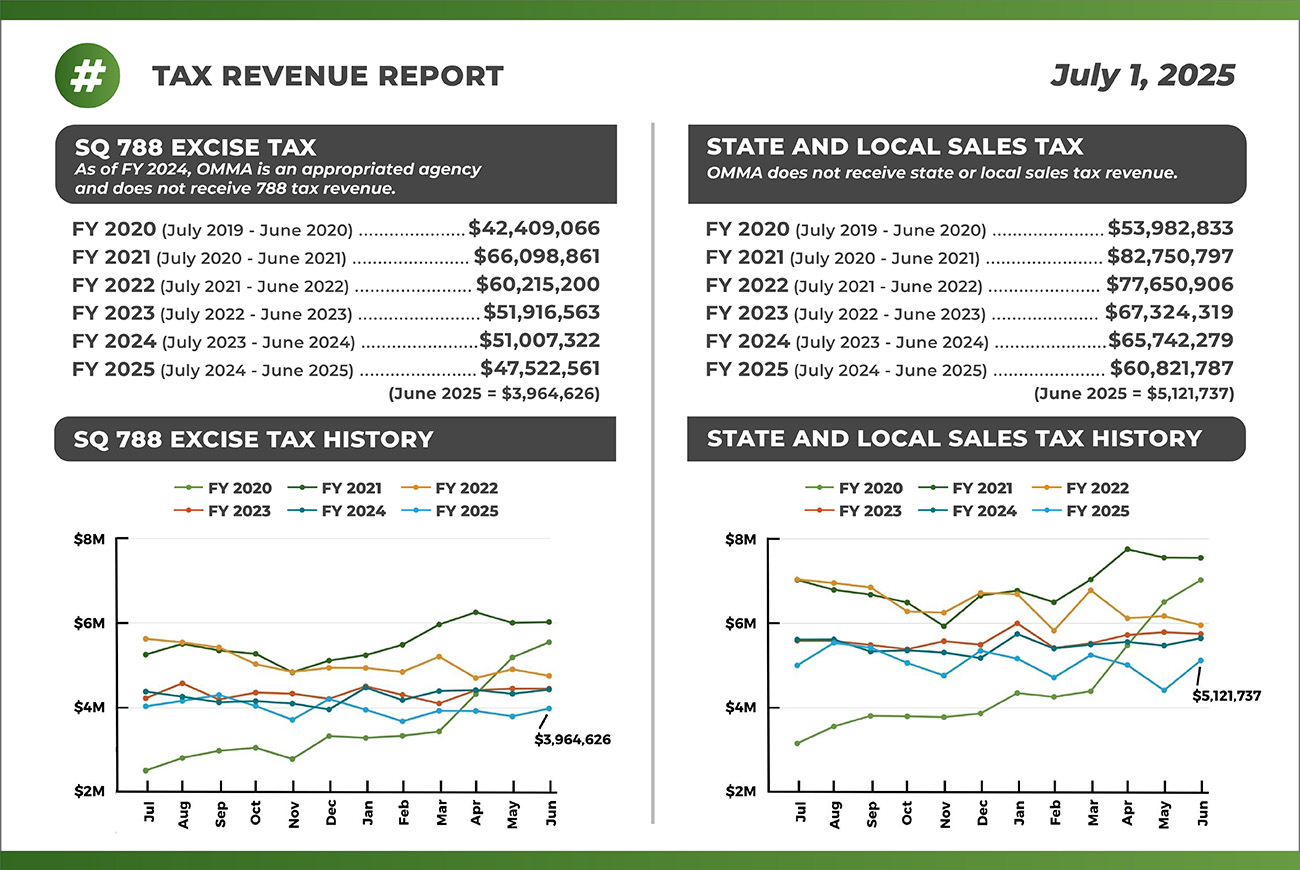
- Tax revenue potential: A 10% excise tax on recreational sales will offset the loss of a 7% excise tax currently in place on medical sales.
- Homegrow & personal-use limits: Allowing up to 12 homegrown plants and possession thresholds balances personal freedom with public safety.
- Constitutional protections: Embedding SQ 837 in the state constitution strengthens consumer rights against future legislative rollbacks.
- Signature-gathering strategy: Targeted efforts, such as dispensaries, tattoo parlors, academic campuses, festivals, high-traffic malls, and digital drives, are essential to meet or exceed the 172,000 minimum signatures by November 4, 2025.
This whitepaper concludes with actionable recommendations for regulatory design, stakeholder engagement, and public outreach to ensure SQ 837’s passage and effective roll-out.
Introduction
Since the passage of medical marijuana in Oklahoma, public support for broader cannabis reform has grown. SQ 837 seeks to legalize recreational use for adults, granting constitutional protections to users and establishing a comprehensive regulatory and taxation regime. This amendment addresses unregulated THC sales to consumers, adult users, potential tax revenue, and restores and preserves the open licensing fee structure, which allowed the most inclusive medical cannabis program in the country.
Background & Context
Oklahoma’s medical cannabis system, regulated by the Oklahoma Medical Marijuana Authority (OMMA), currently has over 320,000 licensed patients and 1,500 dispensaries. However, adult-use remains illegal, fueling an unregulated market. Other states, such as Colorado and Washington, have demonstrated that regulated adult-use frameworks can generate substantial tax revenue, create jobs, and reduce law-enforcement burdens. Embedding legalization in the state constitution (rather than statute) ensures stability and limits legislative interference.
Overview of SQ 837 Provisions
- Adult-Use Legalization: Permits adults (21+) to purchase and consume marijuana products.
- Possession & Homegrow Limits: Up to 72 ounces of edibles, 8 ounces of commercially sold flower, and 12 homegrown plants per individual.
- Taxation: Existing 7% medical excise tax is repealed. A new 10% recreational excise tax applies at point of sale; revenues are allocated to state, county, and municipalities. Post–federal legalization, a 3% export tax applies to out-of-state sales.
- Constitutional Protections: Right to privacy in usage; employment, housing, or probation cannot be adversely affected solely due to cannabis use.
- Regulatory Framework: Dual licensing processes under the Oklahoma Bureau of Narcotics and Dangerous Drugs (OBNDD) and OMMA; DEA registration for exporters.
- Public-Safety Limitations: DUI offenses and public consumption remain prohibited.
Economic Impact Analysis
- Revenue Projections: Modeling based on sales data from Oklahoma medical cannabis sales suggests annual recreational sales of approximately $759,570,000, yielding approximately $53,170,000 million in excise revenue, forecasting from the links below:
- Job Creation: New cultivation, processing, and retail licenses could create thousands of jobs. Recreate roughly 15,000 lost jobs in the cannabis sector.
- Export Opportunities: Federal rescheduling would allow interstate commerce; a 3% export tax positions Oklahoma as a regional supplier.
Regulatory & Enforcement Considerations
- Licensing Caps & Fees: A non-tiered fee structure encourages small growers and ensures robust regulatory funding.
- Interagency Coordination: Align OBNI, OMMA, and local governments to avoid jurisdictional gaps and to eliminate duplicate agency functions, saving the state an estimated $20M.
Signature-Gathering & Outreach Strategy
- Retail Location Signature Efforts: 300+ locations across 50+ counties, focusing on Tulsa, Oklahoma, Cleveland, and Comanche Counties.
- Campus Engagement: Partner with universities under legal guidelines for on-campus signature collection.
- Festivals & Malls: Deploy teams at major events and shopping centers during peak hours.
- Digital Campaign: QR codes, text-message alerts, and online forms to supplement in-person efforts.
Interactive Map – Signature Gathering – Prepared by ORCA – QR Code

Voter Registration & Education
Concurrent drives to register new voters and educate on ballot language will increase turnout. Ballotpedia Oklahoma Voters Reference – poll times, voter eligibility and registration, and more!
Oklahoma Election Board – Register to Vote! Voter Registration & Education – QR Code

Opposition Landscape & Countermeasures
- Key opponents include: Smart Approaches to Marijuana (SAM), Cannabis Regulators Association (CANNRA), and segments of the Oklahoma State Medical Association — echoing Reefer Madness rhetoric.
- Counter strategies: data-driven rebuttals, emphasizing regulatory overreach, and highlighting revenue benefits for local communities. Leverage conflicts of interest, big pharma influence, and mistakes learned during SQ 820 initiative efforts.
Recommendations
- Finalize Licensing Framework: Adopt a transparent, non-tiered system.
- Allocate Tax Revenue: Dedicate portions to public health, education, and infrastructure, in a 40 State / 30 County / 30 Municipality split.
- Strengthen Outreach: Leverage ORCA’s network for coordinated signature and voter registration efforts.
- Prepare for Export: Liaise with OBNDD and federal partners to streamline future interstate commerce. SQ 837 is adaptable in statute to “plug in” to any given regulatory requirements for export.
- Monitor & Adjust: ORCA will be prepared to hand over statutory and regulatory follow-up, on the day it is passed. This was done in 2018 following the passage of SQ 788. Notably, SQ 837 does not need any additional law or rule to begin sales 60 days from passage.
Conclusion
SQ 837 presents a pivotal opportunity for Oklahoma to regulate adult-use cannabis, unlock economic benefits, and establish constitutional rights. With a robust constitutional framework and targeted outreach strategy, the state can achieve a successful legalization model that serves all stakeholders.
Appendices
Appendix A: Registered Voter Statistics (January 15, 2025)
• Statewide: 2,470,437
• Oklahoma County: 454,332
• Tulsa County: 389,660
• Cleveland County: 177,568
• Comanche County: 60,654
Appendix B: Signature Requirements & Daily Goals
• Minimum: 172,000; Goal: 300,000 (to account for invalid signatures)
• 90-day period: ~1,912 signatures/day for minimum; ~3,333/day for goal.
Appendix C: Ballot-Language Excerpt & Initiative Petition Text
Full text available from Ballotpedia.